Available Puppies
Colorado Mountain Dog (CMD) puppies raised on our Cotopaxi, Colorado homestead and bred for reliable livestock guardianship and stable family temperaments.
Current Litter – Fully Reserved
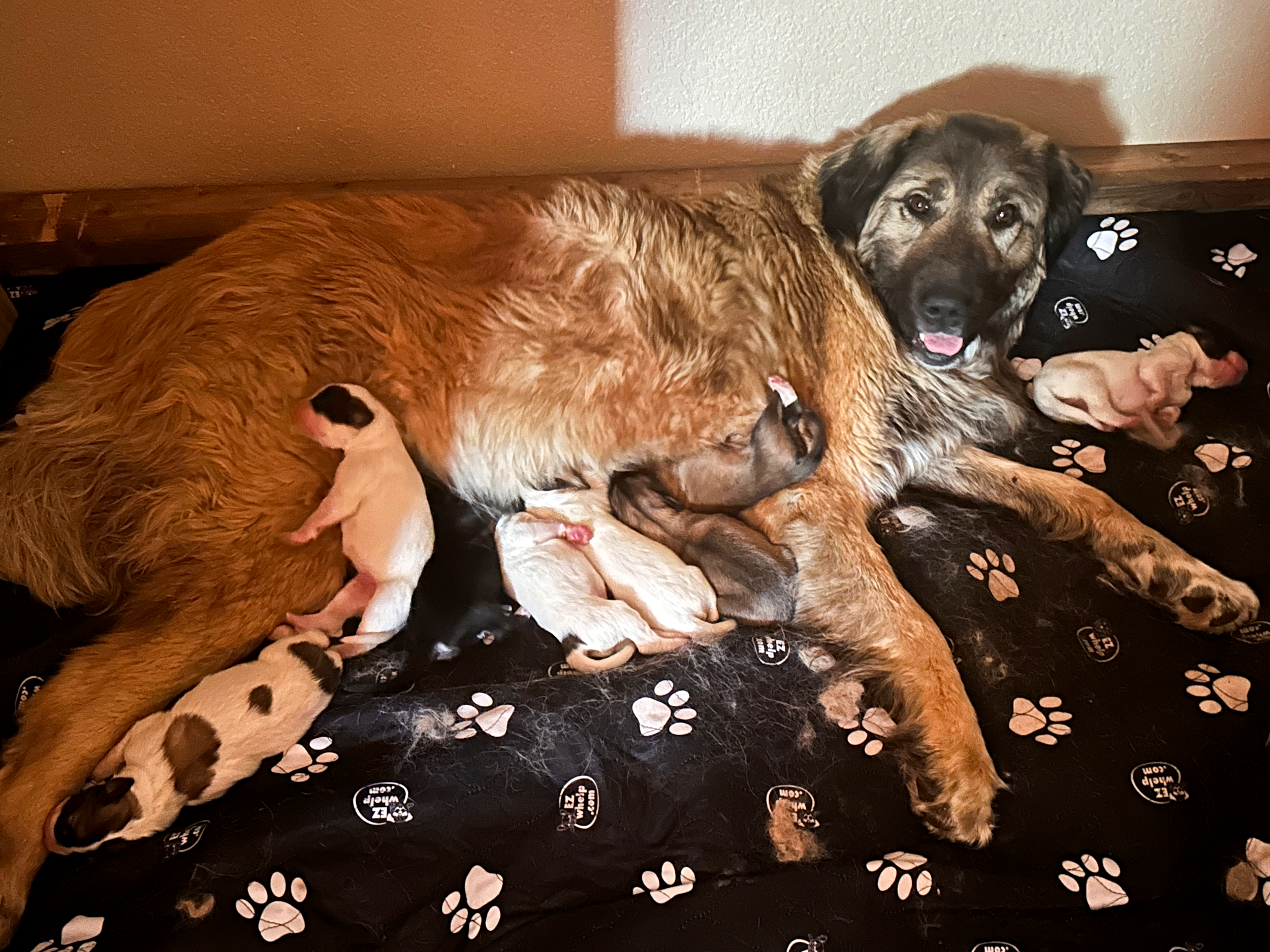
OUM Babka's March 21, 2026 litter of eight Colorado Mountain Dog puppies has now been fully reserved and matched with their future homes.
While some of the puppies are still with us as they finish growing, training, and preparing for their departure dates, we are no longer accepting reservations for this litter.
Over the past several weeks, we have had the privilege of watching these puppies develop into confident, capable young dogs with distinct personalities of their own. Through early socialization, Puppy Culture, exposure to farm life, livestock, new environments, and intentional handling, we have worked to give each puppy a strong foundation as they begin their next chapter.
We are incredibly grateful to the families who have entrusted us with their future companions and livestock guardians, and we look forward to following their journeys for years to come.
Our next planned litter is tentatively expected in late 2027 or early 2028.
If you are interested in a future Waterloo Mountain Farm puppy, we encourage you to complete our Puppy Interest Form. Joining the interest list does not obligate you to purchase a puppy, but it allows us to learn more about your goals and helps us notify interested families when future breeding plans are announced.
In the meantime, we invite you to follow along on our website and social media pages, where we continue to share updates on our dogs, farm life, and future breeding plans.
All Puppies Reserved
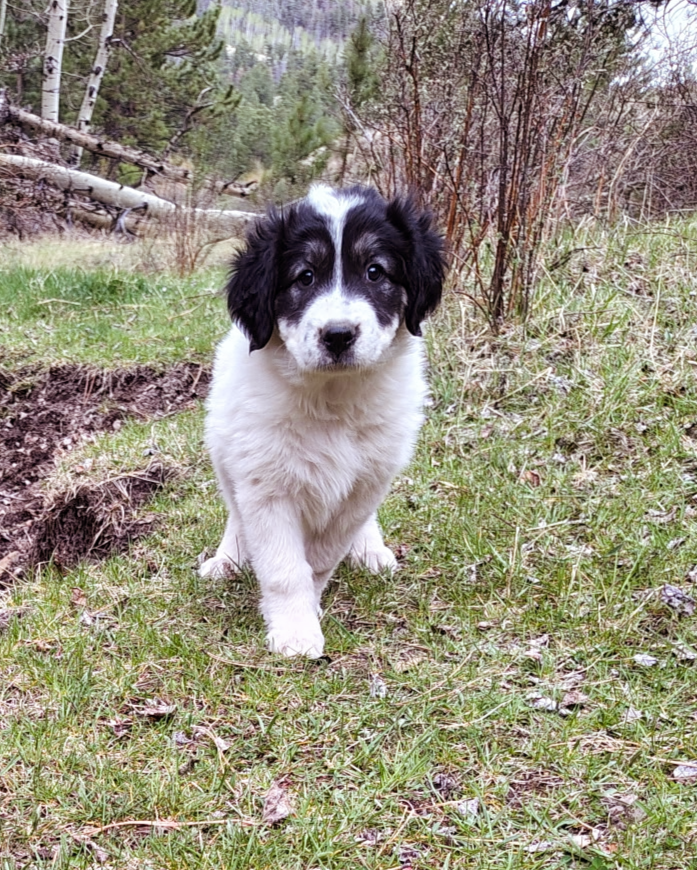
Kolache - Female
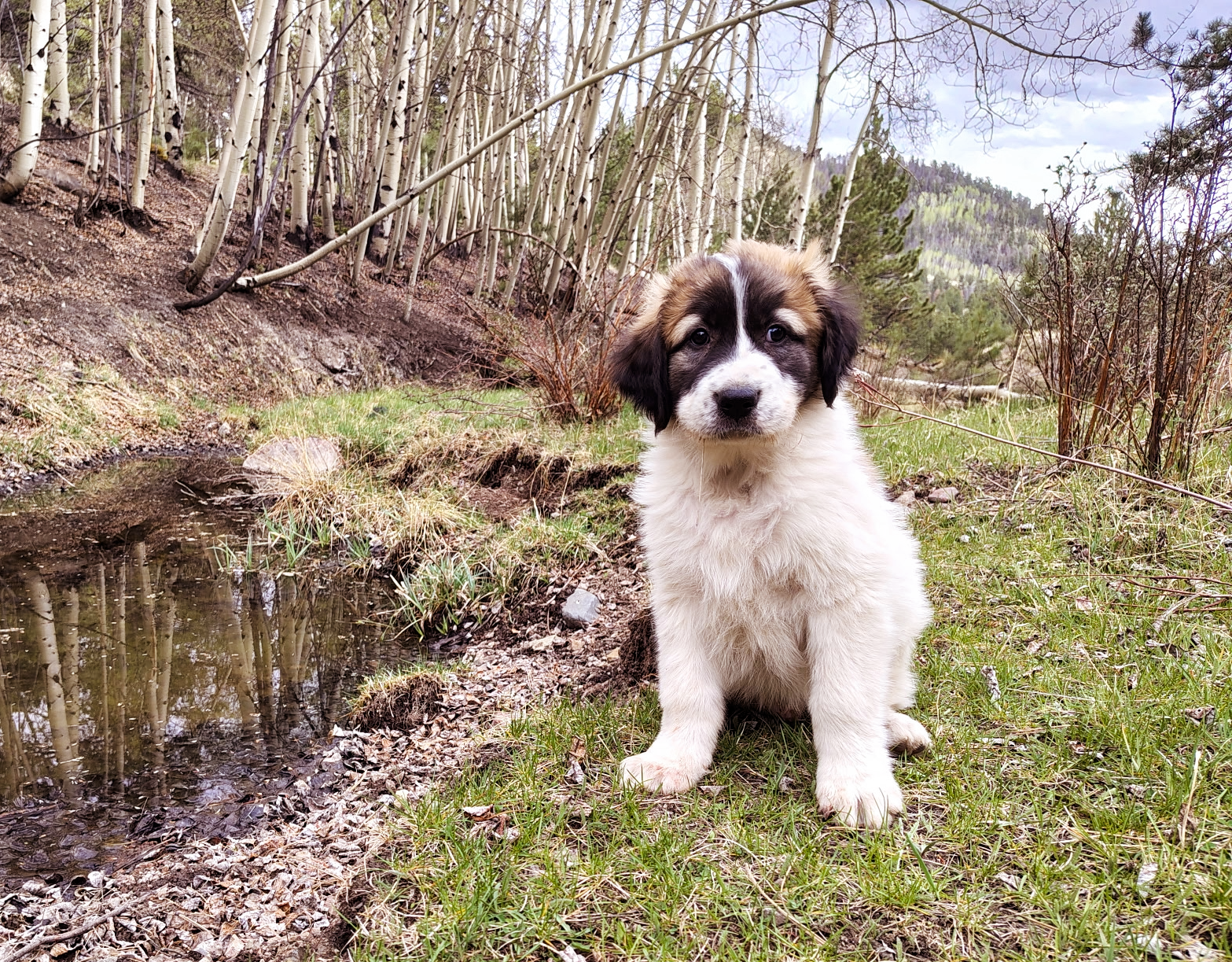
Barley - Male
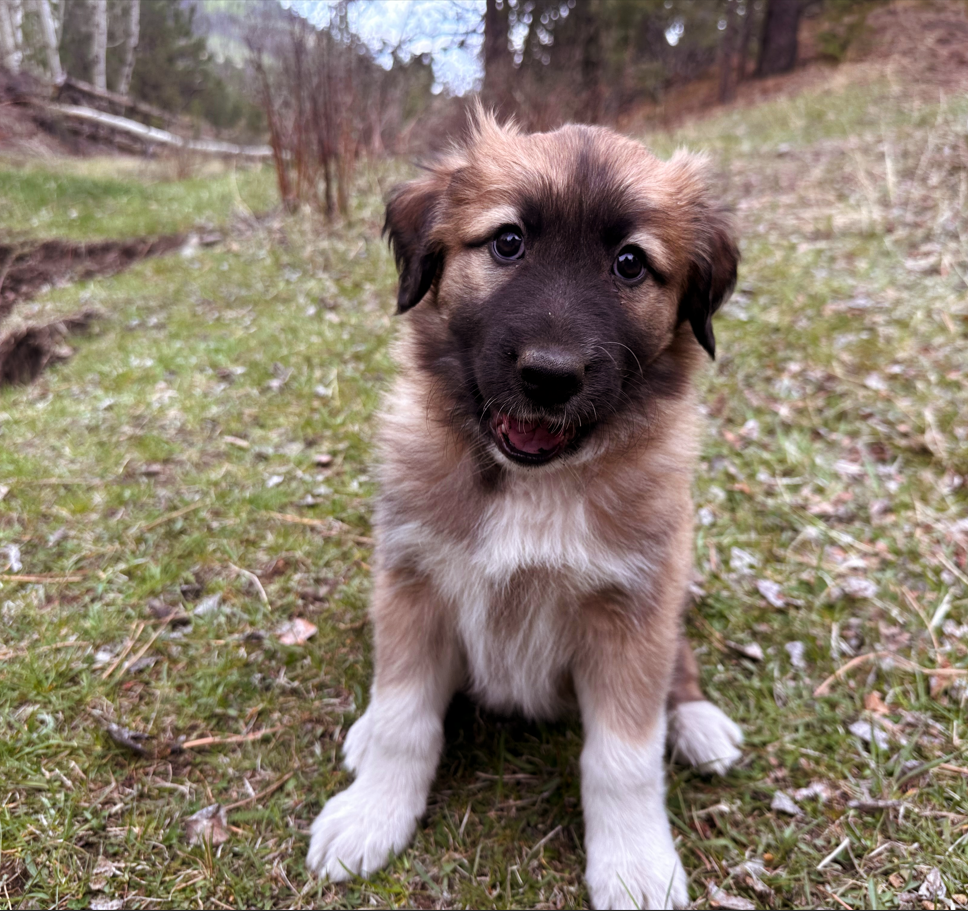
Challah - Female
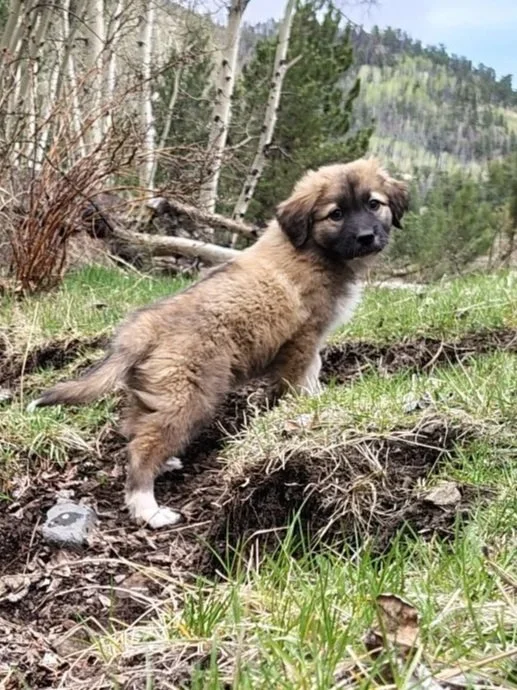
Brioche - Female
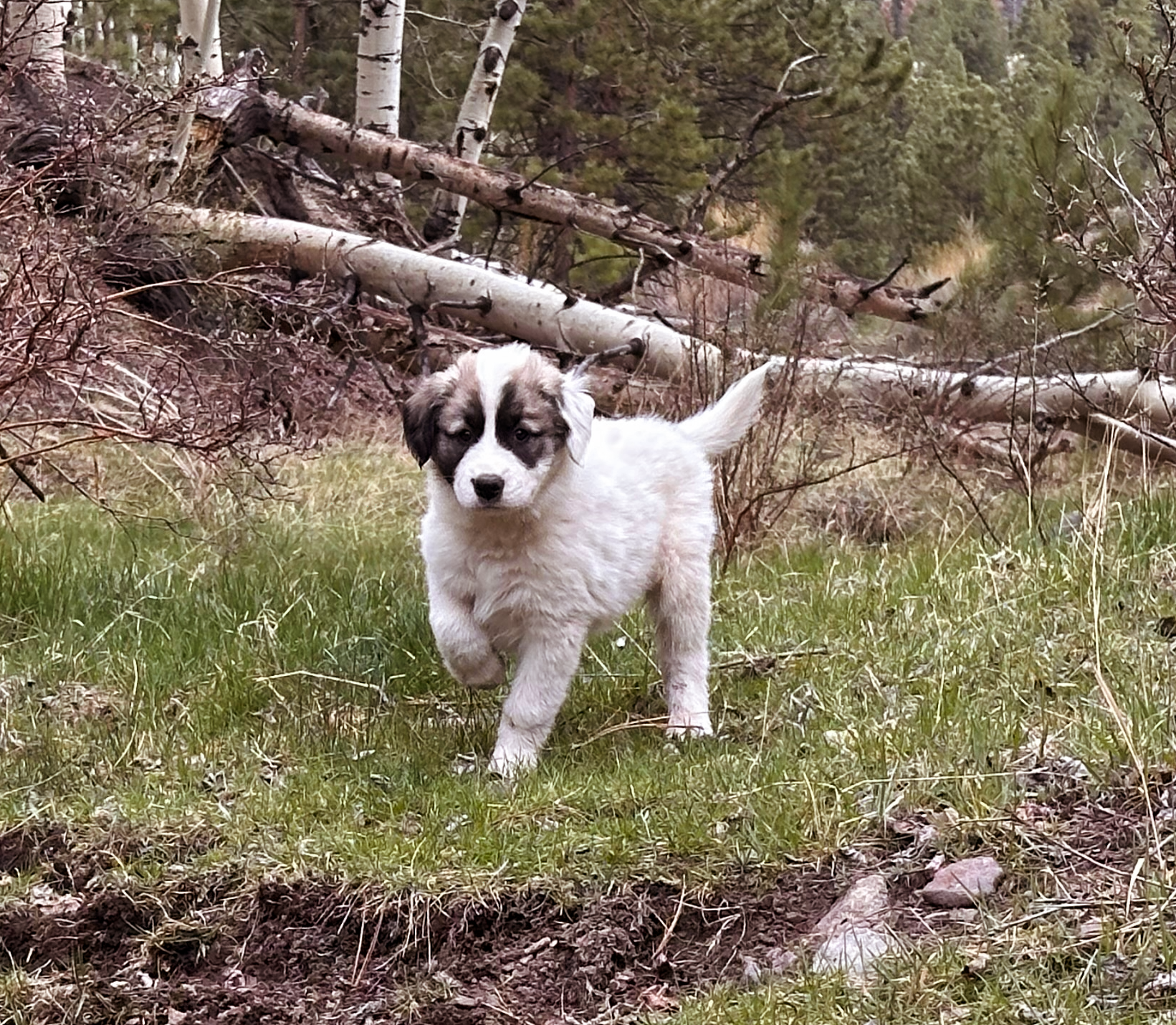
Emmer - Male
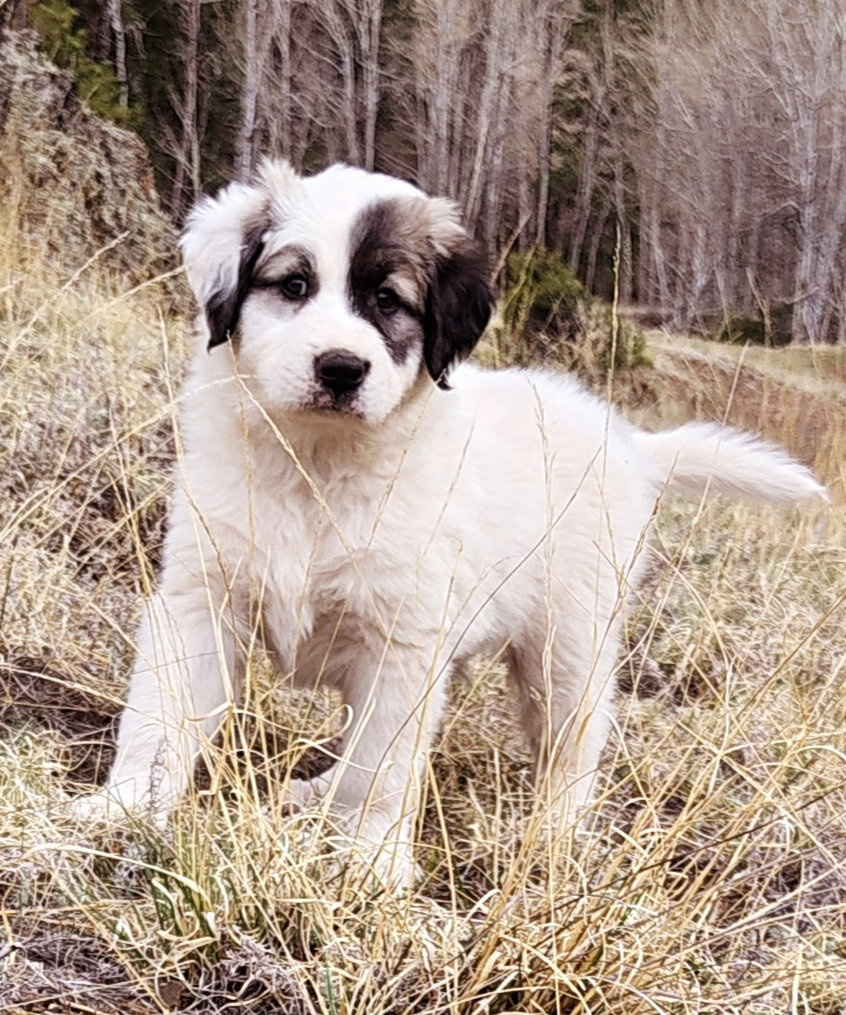
Oat - Male
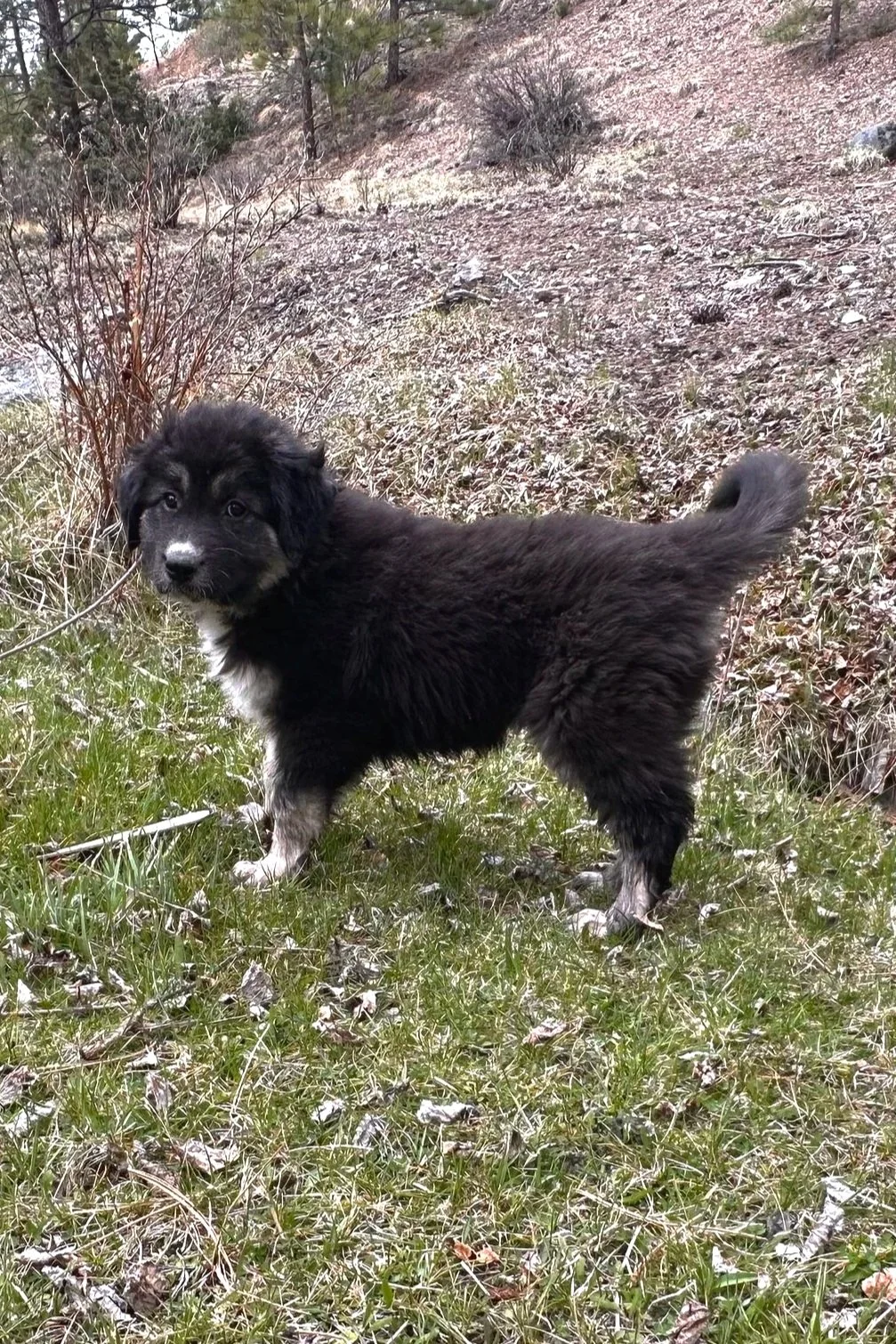
Pumpernickel - Female
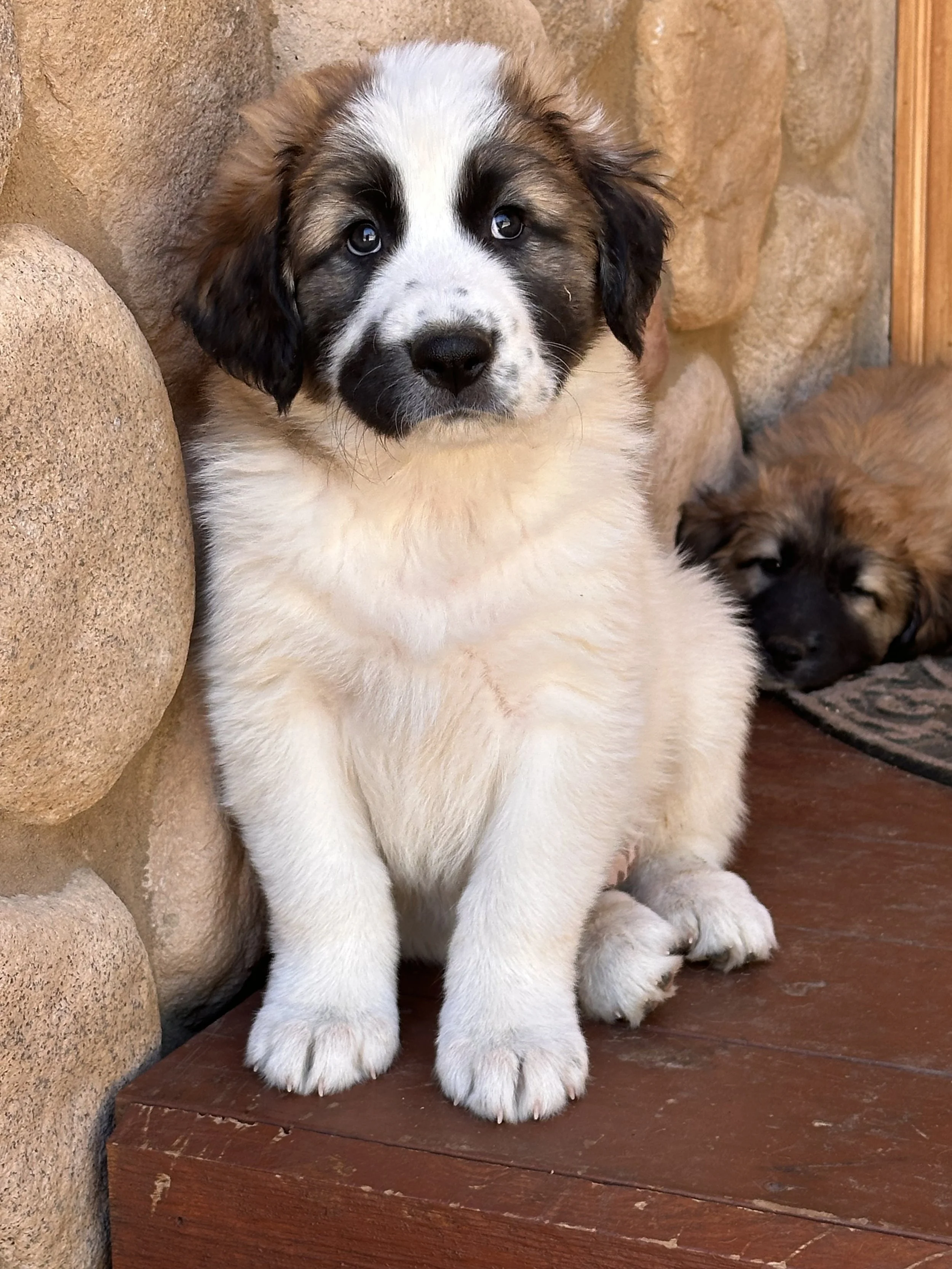
Rye- Male
Puppy Inquiries
If you are interested in a puppy, please fill out our Puppy Inquiry Form so we can learn more about your home, property, and what you’re looking for in a dog. This helps us determine whether a Colorado Mountain Dog—and a particular puppy—would be a good fit for your situation.
The form will ask for details such as:
Your location
Property size
Type of livestock (if any)
Fencing setup
Experience with guardian dogs
Once we’ve had a chance to review your submission, we will follow up to discuss next steps.
Puppy Updates and Progress Reports
-
Our Colorado Mountain Dog puppies are now 1 week old, and everyone is doing very well. All puppies are gaining weight appropriately, moving well, and progressing as they should. At this stage, their weights, which we are taking daily, are within just a few ounces of one another.
We have been keeping a close eye on the smaller puppies and making sure each one gets plenty of uninterrupted time with mom. We’ve also provided occasional supplemental feedings where needed to help bring everyone into a stronger range. So far, everyone is trending in the right direction.
We are continuing Early Neurological Stimulation (ENS) with each puppy, which will continue through the next week and a half. ENS is a series of gentle exercises performed during the neonatal period that may help support stress tolerance, cardiovascular development, resilience, and overall adaptability later in life.
We’re also clipping nails at least once a week. This helps prevent the puppies from scratching and irritating mom while nursing, and it also encourages better footing and more natural movement as they begin to gain strength.
Babka has proven to be a very attentive and capable mother. She keeps a close watch on the puppies and only takes short breaks away from the whelping room to go outside and use the bathroom. We spend time in there with her so she doesn’t feel like she has to choose between being with her people and being with her pups.
She is also wonderfully trusting and communicative with us. If she wants help repositioning puppies so she can lie down safely, she isn’t shy about asking for assistance.
While in the whelping box, we make a point to gently handle and cuddle each puppy to begin laying the foundation for future comfort with human handling and attention. Some puppies are still a little resistant, which is completely normal developmentally, but we expect that to improve in the weeks ahead.
Overall, we’re very happy with how this litter is progressing, and we’re excited for the next milestones as eyes begin to open and they can begin to perceive the world.
-
All puppies have opened their eyes and beginning to toddle around and perceive the world outside beyond their mother. The puppies are being introduced to mild new experiences in a safe and positive way. This includes different surfaces, everyday household sounds, new scents, and gentle human handling. These early exposures help them learn that the world is a safe and interesting place.
As their senses develop, puppies are starting to startle at sudden loud noises. This ‘startle response’ is completely normal, and our focus at this stage is to train this response in mild and safe ways to train them to recover quickly and calmly, which will lay the foundation for resilience and confidence.
The puppies are also beginning to develop early litter habits. As they become more mobile, we encourage separation between sleeping and toileting areas, helping lay the groundwork for future house training and clean-living habits.
We are introducing the puppies to calm, gentle visitors in a controlled way so they can begin learning that unfamiliar people are friendly and safe. These positive early interactions are an important part of social development.
We have also started the early stages of weaning. Puppies are learning to lap goat milk from a dish and are beginning to explore food independently. Alongside nursing from mom, they are being offered small amounts of finely ground green tripe mixed with goat milk to introduce new textures, tastes, and chewing skills. Over the coming weeks we will introduce new proteins and foods to gently cultivate their gut microbiomes.
With weaning and the understanding that food can come from humans, we have begun to train puppies to come to the call of “Puppies, puppies!”. This will be the foundation of their recall training.
Additionally, we have set up small obstacles for pups to get past on the way to their food dish so they can start exercising their problem solving skills and in some cases, learning to independently deal with frustration. This involves having to crawl over their pig rail or rolled up towels to get to food. Some consistently overcome obstacles faster than others, and although we feel very tempted to help the pups that are having trouble as they whine and cry at having to watch their littermates eat, we simply stay with them and gently encourage them, and they eventually work up the courage to do it on their own. We like to follow the Montressori adage of "Never help a child with a task at which he feels he can succeed”. So long as the pup is still trying, we will let them. However, if they give up and go back to the sleeping area, we will reset them with a slightly easier obstacle to help build their confidence.
This stage is full of rapid change, and each puppy develops at their own pace. Every day they are becoming stronger, steadier, more curious, and more interactive. We are delighted with their progress and look forward to sharing more updates as they continue to grow.
-
Our puppies are now five weeks old, and this stage brings a huge leap in confidence, curiosity, coordination, and learning. Their personalities are becoming clearer every day, and they are increasingly engaged with both their environment and the people around them.
Litter Training Progress
The puppies are showing a mixed but steadily improving understanding of their designated toilet area. This is exactly what we expect at this age. Some pups are catching on faster than others, but all are making progress.Their litter area has now transitioned from puppy pads to a combination of compressed pine and alfalfa pellets. This more closely mimics natural outdoor textures and scents, helping bridge the gap between indoor litter habits and future outdoor potty training.
Food Motivation
Appetites are booming. The puppies now eat with tremendous enthusiasm, and their puppy call reliably wakes even the soundest sleeper from a deep nap when food is on the way. It is clear that mealtime is one of the highlights of their day.We are also beginning to notice that some puppies are more strongly food-motivated than others, which is useful information as we learn what rewards each puppy values most for future training.
Problem Solving & Early Resilience Testing
We have begun introducing simple barrier challenges to observe early problem-solving skills and frustration tolerance.One exercise places a puppy behind a fence panel with food visible on the other side. Rather than going straight through, they must figure out how to move around the barrier to reach their reward. These small puzzles help us assess persistence, flexibility, confidence, and response to mild frustration.
We also individually evaluated each puppy navigating two porch steps to reach a food dish. Initially, every puppy showed some hesitation and caution. With encouragement and confidence-building, all successfully made it down the steps. Just one day later, they are now pros. During outdoor playtime the porch steps have become a favorite play zone, with ongoing rounds of “king of the hill.”
Toy Play & Environmental Engagement
The puppies are becoming much more interactive with toys and objects in their weaning pen. They are beginning to investigate, carry, mouth, and engage with enrichment items in ways that reflect growing confidence and mental development.Individual Attention & Independence
Each puppy receives one-on-one time away from the litter every day. This serves several important purposes:Builds positive human socialization
Helps puppies bond with people individually
Encourages confidence away from siblings
Lays healthy groundwork to reduce future separation distress
At this age, puppies actively seek out human interaction and are eager to engage with us, making training and socialization especially rewarding.
Handling, Grooming & Nail Care
We continue trimming nails at least weekly. This helps puppies become comfortable with routine handling and encourages the development of a healthy gait, while also making nursing more comfortable for their mother. Their baby teeth are already becoming sharp, so keeping claws short helps reduce additional discomfort so she will not be discouraged from caring for and interacting with her pups.We have also introduced brushes as part of grooming socialization. So far, everyone seems to enjoy the pampering.
Beginning Manding Training
We are starting to shape early manding behaviors. Manding means teaching a puppy to politely ask for something they want, such as attention, food, or access, by offering a desirable behavior instead of jumping, barking, or pawing.At this age, that may simply mean rewarding a puppy for sitting calmly, making eye contact, or pausing patiently before receiving attention or treats. This creates a foundation for polite communication and impulse control later in life.
High-Value Rewards
Social interaction is currently one of the highest-value rewards for the puppies, meaning attention from humans is very motivating and reinforcing. However, as they get older this will usually lessen, so we are also exploring food rewards to see what each puppy prefers.Current rankings appear to be:
Peanut butter on a spoon (clear universal favorite)
Sweet goat milk pudding on a finger (good for teaching soft mouth, though less practical)
Packaged soft dog treats (mixed reception, some pups spit it out)
Cheddar cheese crumbles (even our food adventurous pups will only take it sometimes)
Outdoor Adventures
The puppies are now sturdy enough for regular outdoor time beyond the very brief exposures of earlier weeks. Weather permitting, they will enjoy multiple 30-minute outdoor sessions each day.These outings remain supervised, close to the house, and appropriately brief. Temperatures are still cooler than ideal, and they are still small enough that predator awareness is necessary.
Sensory Challenges
As their temperature regulation improves, we have introduced mild sensory challenges. One example is walking through a shallow dish of water to reach food. Hesitation in those that expressed it was brief, and most puppies overcame apprehension within a few seconds.Desensitization
5 weeks is when we might begin to see a spike in fear response in the puppies, often called a ‘fear period’. We have noticed mild fear responses from some puppies when the vacuum is run near the pen. Over the coming days, we will work with puppies individually using distance, gradual exposure, and high-value treats to help build positive associations and confidence around household noise.We will also begin to acclimate them to vehicles. We will first let them investigate a small vehicle without the engine on, and over the coming weeks will work up in gradual steps to them eventually being comfortable riding inside a moving car.
Soft Mouth Foundations
We are also teaching puppies to take treats gently. Starting this early helps develop a soft mouth, meaning they learn to receive food carefully from human hands instead of grabbing roughly with teeth. This creates safer, more pleasant interactions throughout life.Individual Cuddles
Alongside all of this learning, each puppy continues to receive individual cuddle time. Emotional security, gentle affection, and positive human contact remain just as important as structured development work.Individual Puppy Notes
Kolache (F): Our firstborn continues to be a spirited and enthusiastic puppy with strong food motivation and a playful nature with her littermates. She approached the barrier and stair challenges thoughtfully rather than impulsively, taking time to observe before making her move. We are very pleased to see that calm problem-solving style. She was also the first puppy to confidently explore the play tunnel.
Barley (M): Barley remains our largest and heaviest puppy, yet he is notably gentle and easygoing within the litter. He plays appropriately with his siblings despite his size advantage and carries himself with a calm, steady temperament. He has also picked up on manding quickly and now often sits politely when we approach the pen in hopes of earning attention.
Challah (F): Challah may be petite, but she has a big personality. She is highly engaged with her littermates and loves interactive play, while also showing a softer, attentive side during one-on-one time with people. She solved the challenges presented to her with ease, though she was sometimes more interested interacting with us than her food dish, which speaks to how people-oriented she can be.
Emmer (M): Emmer has impressed us with his early problem-solving ability and has quickly figured out every challenge we have introduced so far. He is strongly food motivated and very responsive to guidance. He also shows healthy curiosity about the world beyond the pen, often seeking novelty while still demonstrating thoughtful judgment when assessing new situations and objects.
Brioche (F): Brioche is a calm, sweet-natured puppy. She appears especially motivated by praise and attention, though she enjoys food rewards as well. She excelled in the barrier challenge and needed only a bit of encouragement with the stairs initially. That hesitation was short-lived, and she now confidently goes up and down the steps during outdoor play.
Pumpernickel (F): Pumpernickel has been an early mover and explorer from the start, and she continues to show confidence and curiosity as she develops. She is an enthusiastic eater and has been especially open to trying new foods. At the same time, she is very people-focused and happily wags her tail during individual cuddle and attention time.
Oat (M): Oat has shown the most noticeable growth in confidence over the past few weeks. In the beginning he was more cautious and benefited from encouragement when facing new challenges. Now he approaches activities with much more assurance, solves problems readily, and is highly engaged in manding work. He responds well to both food rewards and praise.
Rye (M): Rye was more reserved and timid in the early weeks, but he has matured into a calm and composed puppy. He often takes an observant approach to new situations, which can be a very desirable trait in future LGD prospects. He has learned manding well and shows strong food motivation, provided it is the right food.
-
The puppies are officially 7 weeks old now, and they are really starting to feel less like tiny potatoes and more like actual little dogs. This has probably been the most fun stage so far. Their personalities are coming through more every day, they’re getting braver and more coordinated, and they’re constantly finding new ways to keep us occupied.
Feeding & Weaning
Babka continues to be a fantastic mother. Even at this age she still nurses the puppies multiple times a day and keeps a very close eye on them whenever they’re outside exploring.
She has also started doing one of the less glamorous but very normal dog-mom things: regurgitating food for the puppies after eating. It’s gross from a human perspective, but this actually serves an important biological purpose. The partially digested food helps introduce beneficial bacteria and supports development of the puppies’ gut microbiome as they transition onto solid foods.
Over the past couple weeks the puppies have graduated from minced ground beef to foods with actual bone content. We started with chicken wings with the bones lightly smashed using a meat hammer, and then moved onto drumsticks. They also get raw meaty rib bones to gnaw on as enrichment.
They needed very little encouragement to figure out bones and what they should do with them. Their midday bone meal has become one of the highlights of the day, and you can see their little brains working while they chew and problem-solve. It’s not just nutrition, but fantastic enrichment as well.
Treats and Resource Guarding
At this age the puppies actually aren’t super food motivated yet, at least not in the way older dogs are. Most of them still value praise, cuddles, and attention way more than treats.
Peanut butter remains the undisputed favorite, but they’re finally starting to understand the appeal of more traditional treats too, especially little puppy chow training treats.
We’ve also continued doing resource guarding prevention exercises with every puppy. This consists of briefly taking away a chew, toy, or food item, reward the puppy, and then give the item back. The idea is to teach them that humans approaching their stuff is a good thing, not something threatening. Timing matters a ton here, but so far all of the puppies have handled it really nicely.
Outside Adventures
The weather has been more inclement than we’d hoped, so the puppies haven’t gotten quite as much outdoor time as we would’ve liked over the last couple weeks. Even so, every time they’ve gone outside they’ve shown a ton of confidence and excitement.
They recently experienced their first real snow and absolutely lost their minds over it. There was romping, pouncing, snow eating, and general chaos. The pups slept very well after that adventure.
As the weather warms up and their immune systems continue maturing, the puppies will start spending more and more time outdoors exploring the farm. At this stage we’re trying to expose them to as many normal environmental experiences as possible in positive, low-pressure ways. Things like uneven terrain, mud, snow, brush, changing weather, new surfaces, sounds, obstacles, and all the little things that come with life on a farm.
The puppies are also beginning to understand routines and are starting to follow people around more intentionally during outside time. Some are already showing the very early beginnings of recall behavior simply through repetition, praise, and positive associations.
They’ve also had their first controlled livestock exposures, and so far everyone has responded calmly and appropriately. Going forward, these sessions will become longer and more interactive while continuing to be paired with positive reinforcement and supervision.
At this stage we’re mainly looking for puppies that are curious but not obsessive, calm but not fearful, and able to settle around livestock without becoming overstimulated.
Learning From the Adult Dogs
One thing that has been especially fun to watch lately is how much the puppies are beginning to learn from the adult dogs. At this age, puppies are little sponges socially, and stable adult dogs are some of the best teachers they can have.
The puppies are learning things like respecting boundaries, reading canine body language, and how to appropriately respond to gentle corrections. We’ve been very pleased with how naturally the litter takes feedback from the adult dogs without becoming fearful or overly pushy.
It’s also been interesting watching which puppies seek guidance from the adults versus which ones prefer to confidently investigate things on their own. These little differences in social style are becoming more noticeable every week.
Litterbox Training Success
One thing we’re especially proud of is how well litterbox training has gone.
The puppies are sitting at almost a 100% success rate right now. There are still occasional accidents, but nearly all of them happen within inches of the litterbox itself. Watching them, it’s usually obvious what happened: front paws in the box, back half still hanging out behind them. Their hearts are in the right place even if their aim occasionally isn’t.
Human Bonding & Handling
One thing we place a lot of emphasis on at this age is helping the puppies develop positive associations with human interaction and handling. Every puppy receives daily one-on-one attention outside of the chaos of the litter, including cuddling, carrying them around the property, gentle restraint exercises, nail trims, and handling of ears, paws, tails, and mouths.
At this age, many of the puppies are beginning to actively seek out human interaction on their own. Several now follow us around the puppy yard and will happily abandon whatever they were doing if they think there’s a chance for attention or cuddles.
This stage is especially important for livestock guardian dogs. While we absolutely want puppies that are capable of independent thought and appropriate guardian instincts, we also strongly believe that a good LGD should be comfortable being handled, guided, and living cooperatively alongside their people. We want puppies that can confidently navigate both the farm and the human world.
Volhard Aptitude Testing
This week we also performed the Volhard Aptitude Test (VAT), which is traditionally done around 49 days old in a new environment by someone unfamiliar to the puppies.
The VAT does have limitations, especially for livestock guardian dogs. The test was originally designed more around handler-oriented, biddable breeds, so some portions really don’t translate especially well to LGDs. Studies also suggest aptitude tests in general have fairly limited predictive value long-term.
We mostly view the VAT as a snapshot of where the puppy is developmentally at this exact moment, not a crystal ball for future behavior. That said, some parts of the test can still be useful for LGDs, particularly things like environmental confidence, recovery from surprises, resilience, and willingness to engage.
At the end of the day, it’s just one tool in the toolbox alongside our daily observations and all the other experiences the puppies are getting.
We were overall very pleased with how the pups performed.
Individual Puppy Notes
Kolache (F)
Kolache continues to be one of the most exuberant and socially engaged puppies in the litter. She loves to play and throw herself fully into puppy antics, but what has impressed us most is how nicely she settles afterward. Her VAT evaluations reflected a very balanced temperament overall. She is playful and enthusiastic without being scattered or unable to focus.
She has also independently figured out that sitting politely is an excellent way to get attention and treats, and will often offer a calm sit without any prompting at all.
Her odd little quirk? She has decided the litterbox is not only a bathroom, but also apparently an excellent place to lounge, snack, and occasionally initiate playtime.
Barley (M)
Barley continues to be an extremely solid all-around puppy. He has a naturally calm presence and interacts very appropriately with both his littermates and the adult dogs. Even during rowdy puppy moments, he tends to stay composed and thoughtful rather than becoming overstimulated.
One thing we’ve noticed consistently is that Barley shows very little inclination to push boundaries or look for ways out of his enclosures. His calm, resilient temperament also came through clearly during his VAT evaluations, where he handled new environments and handling exercises with quiet confidence.
Challah (F)
Challah remains one of the more spirited puppies in the litter and definitely keeps everyone on their toes during playtime. She is confident, expressive, and not shy about making her opinions known.
Interestingly though, when separated from the group she shows a much quieter and more thoughtful side. During her VAT evaluation she came across as somewhat aloof with unfamiliar people initially, but showed exceptional calmness and confidence during handling and environmental novelty exercises. She tends to assess situations carefully before deciding how much energy they deserve.
Emmer (M)
Emmer continues to impress us more and more each week. The confidence and problem-solving ability we noticed early on have only become more apparent as he develops. He approaches new situations with curiosity and determination, and when faced with obstacles or unfamiliar objects, he tends to work through them thoughtfully rather than becoming frustrated or shutting down.
He is also proving to be a very quick learner. Emmer responds well to guidance and takes direction naturally for his age, showing a nice balance between confidence and willingness to engage with people.
Despite being one of the smaller boys, he carries himself with a lot of self-assurance and resilience. Overall, he is showing very promising traits for future livestock guardian work, particularly in his confidence, environmental stability, and ability to think through situations independently without becoming reckless.
Brioche (F)
Brioche continues to be an extremely people-oriented puppy and consistently seems to find human interaction more rewarding than even her meals. She actively seeks out attention and engagement and is happiest when she’s involved in whatever her people are doing.
She settles very nicely for her age, plays appropriately with both humans and littermates, and has shown especially good bite inhibition and a naturally soft mouth during interactions. She tends to adjust her play style well depending on who she’s interacting with.
Her VAT evaluations were strong across the board, reflecting a very balanced and adaptable temperament overall. She shows the kind of versatility that could allow her to thrive both as a close companion and as a capable working dog.
Pumpernickel (F)
Pumpernickel continues to stand out as an exceptionally confident and thoughtful puppy. She approaches novelty with curiosity and composure, preferring to investigate carefully rather than charging in recklessly.
She is also one of the most people-oriented puppies in the litter and has shown excellent responsiveness to gentle corrections from the adult dogs. She takes social feedback very naturally and adjusts quickly.
Another notable trait, unlike some of her siblings, Pumpernickel has yet to meet a treat she’s unwilling to accept.
Oat (M)
Oat has blossomed tremendously over the last couple weeks. In familiar environments he becomes playful, outgoing, and very socially engaged, especially with people he knows well.
While he can still be somewhat cautious around completely new experiences, it presents more as thoughtfulness than fearfulness. His VAT evaluation also revealed a strong people-oriented side, and he consistently seeks reassurance and interaction from humans when navigating unfamiliar situations.
Rye (F)
Rye has shown himself to be an impressively steady and easygoing puppy overall. He handles novelty calmly, recovers quickly from surprises, and doesn’t seem especially interested in boundary testing or escaping enclosures.
He is also an exceptionally sweet puppy and absolutely loves giving kisses whenever he gets the opportunity. In many ways he reminds us strongly of his sire, Crockett, particularly in his calm demeanor and sensible approach to new situations.
Bringing Home a Livestock Guardian Puppy? Start Here
Raising a livestock guardian dog is a little different than raising a typical puppy. From fencing and training to feeding and early socialization, getting those first few months right makes all the difference.
We’ve put together a detailed guide based on our own experience raising Colorado Mountain Dogs to help you get started.
Frequently Asked Questions
-
We ask interested buyers to fill out our Puppy Interest Form, or reach out and tell us about their property, experience, and what they are looking for in a dog. From there we can determine if a CMD is a good fit and discuss availability.
-
Please contact us directly for current pricing. All puppies in a respective litter will cost the same regardless of sex or color. Prices may vary depending on the litter and the costs associated with producing it.
-
We accept deposits for puppies only once the litter is on the ground. Deposits are $200 and non-refundable.
-
Puppies are raised with close human interaction and early exposure to farm life. Specifically, we socialize our puppies from birth through the Puppy Culture program to focus on building a strong foundation of temperament, confidence, and basic manners before gradually introducing livestock.
-
While our dogs are bred as livestock guardians, some individuals may be suitable for the right companion home with appropriate space and lifestyle.
-
We are happy to meet buyers within the state of Colorado at a mutually agreed-upon location. For out-of-state homes, transportation arrangements (air travel, hiring a puppy nannie etc.) are the responsibility of the buyer. We are happy to coordinate timing and provide any necessary support on our end to ensure a smooth transition.